
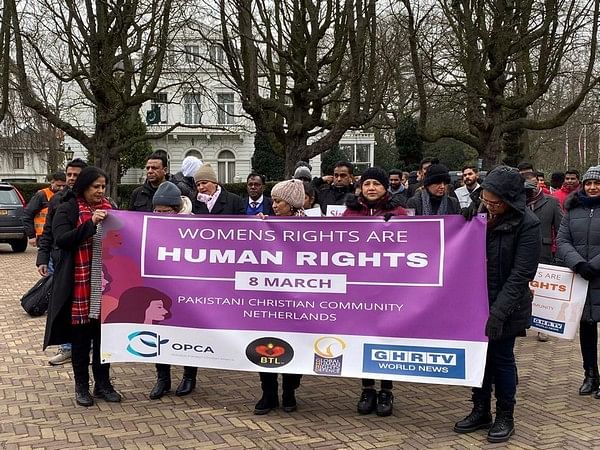
Standing Up for Justice: The Global Movement Against Human Rights Violations
The world has witnessed numerous protest against human rights violations, reflecting the voices of individuals who refuse to accept the status quo. From the Civil Rights Movement in the United States to the Arab Spring in the Middle East, and more recently, movements like Black Lives Matter and climate justice protests, these demonstrations are not merely reactions to immediate grievances but are part of a larger narrative advocating for human dignity, equality, and justice.
The Historical Context of Protests
Protests against human rights violations have a rich history, deeply rooted in struggles for freedom and equality. The abolition of slavery, women’s suffrage, and the fight against apartheid in South Africa are just a few historical milestones that showcase how collective action can result in monumental changes within societies. Each successful protest serves as a testament to the power of ordinary individuals uniting against oppression, often at great personal risk.
Mechanisms of Protest: How People Stand Up
In the digital age, the modes of protest have evolved significantly. While traditional methods like marches, sit-ins, and rallies remain effective, social media has transformed how activists organize and spread their messages. Hashtags can amplify voices globally, mobilizing thousands within hours. For instance, the viral nature of movements like #MeToo or #BlackLivesMatter demonstrates the potential of online platforms to bring attention to systemic injustices.
The Role of Non-Governmental Organizations (NGOs)
NGOs play a pivotal role in supporting protests against human rights violations. They provide essential resources such as legal aid, advocacy training, and funding to help grassroots movements thrive. Additionally, NGOs often serve as intermediaries between activists and larger institutions, advocating for policy changes and attempting to hold governments accountable for their actions.
Legal Frameworks and Human Rights Instruments
International legal frameworks, such as the Universal Declaration of Human Rights and various international covenants, provide a basis for protest. These documents affirm the rights of individuals to show dissent and seek justice, whether through peaceful protests or legal channels. Understanding these rights empowers individuals to stand up against violations in their communities, creating a culture of accountability.
Case Studies: Successful Protests and Their Impact
Examining successful protests can provide insight into effective strategies. The fall of the Berlin Wall in 1989 was not only a geographical but also a symbolic victory against oppression. Similarly, the Anti-Apartheid Movement galvanized international solidarity, resulting in significant political reforms in South Africa. These movements were characterized by unity, strategic leadership, and an unwavering commitment to justice, showcasing what organized efforts can achieve.
Challenges Faced by Protesters
Despite the power of protests, activists often face significant challenges including state repression, violence, and media misinformation. In many regions, peaceful demonstrators are met with harsh crackdowns from law enforcement. It’s critical to recognize the risks involved in protesting and to stand in solidarity with those who brave these dangers. Awareness and international pressure can sometimes protect protesters from violent reprisals and foster a safer environment for dissent.
The Future of Human Rights Protests
As global challenges become more complex with issues such as climate change and rising authoritarianism, the nature of protests is likely to adapt further. Environmental rights are increasingly linked to human rights, and movements advocating for climate justice are at the forefront of this shift, demonstrating the interconnectedness of social issues. Furthermore, as technology advances, so too will the methods of organizing—it’s likely we’ll continue to see innovative approaches that challenge traditional norms of protest.
Conclusion: A Call to Action
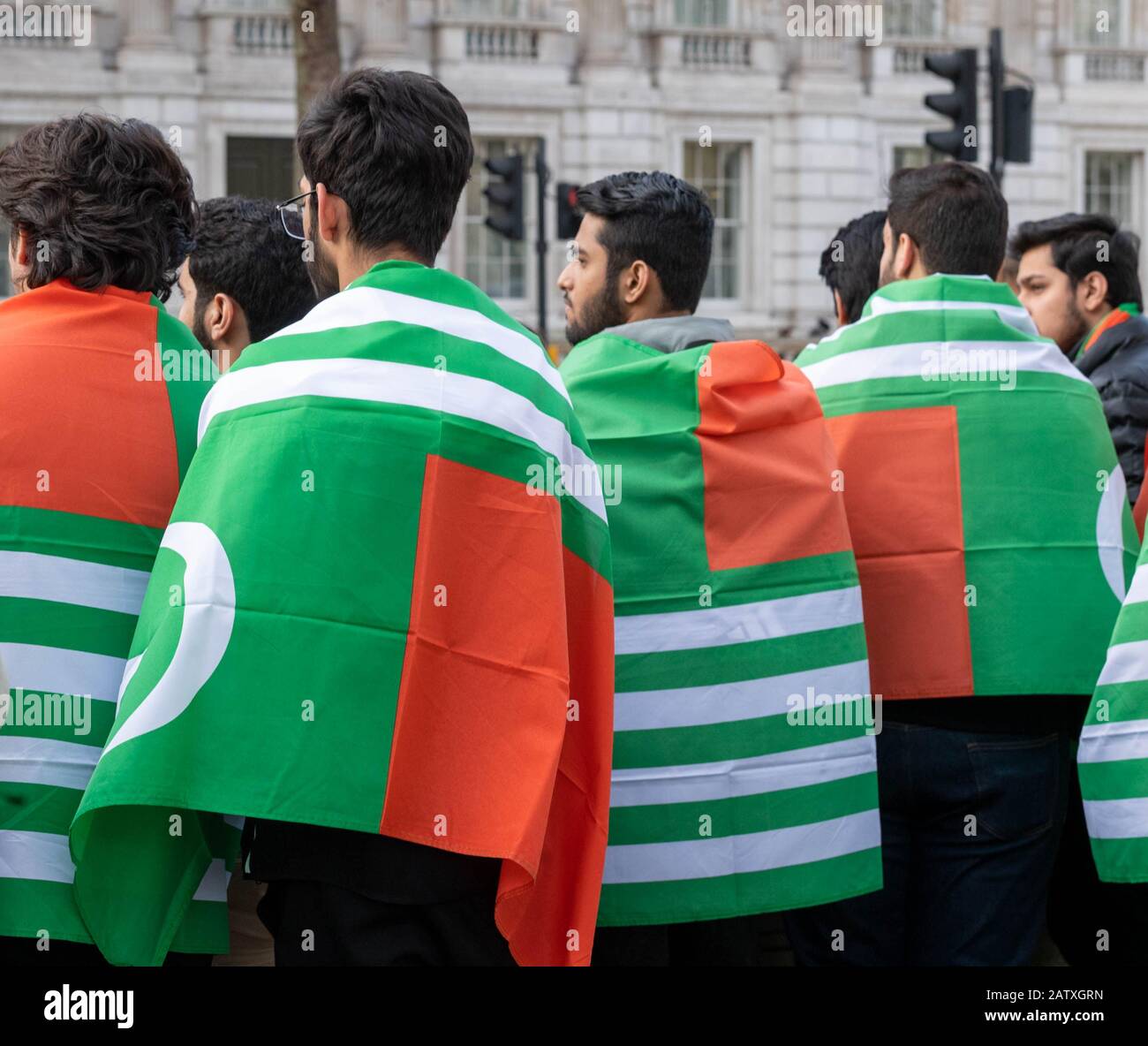
To foster a world where human rights are universally respected, it is essential to support protests against violations. Whether through active participation, spreading awareness, or advocating for supportive policies, every individual has a role to play in this vital movement. As history has shown, significant change is possible when people unite for justice—each voice contributes to the chorus demanding respect, dignity, and equality for all.